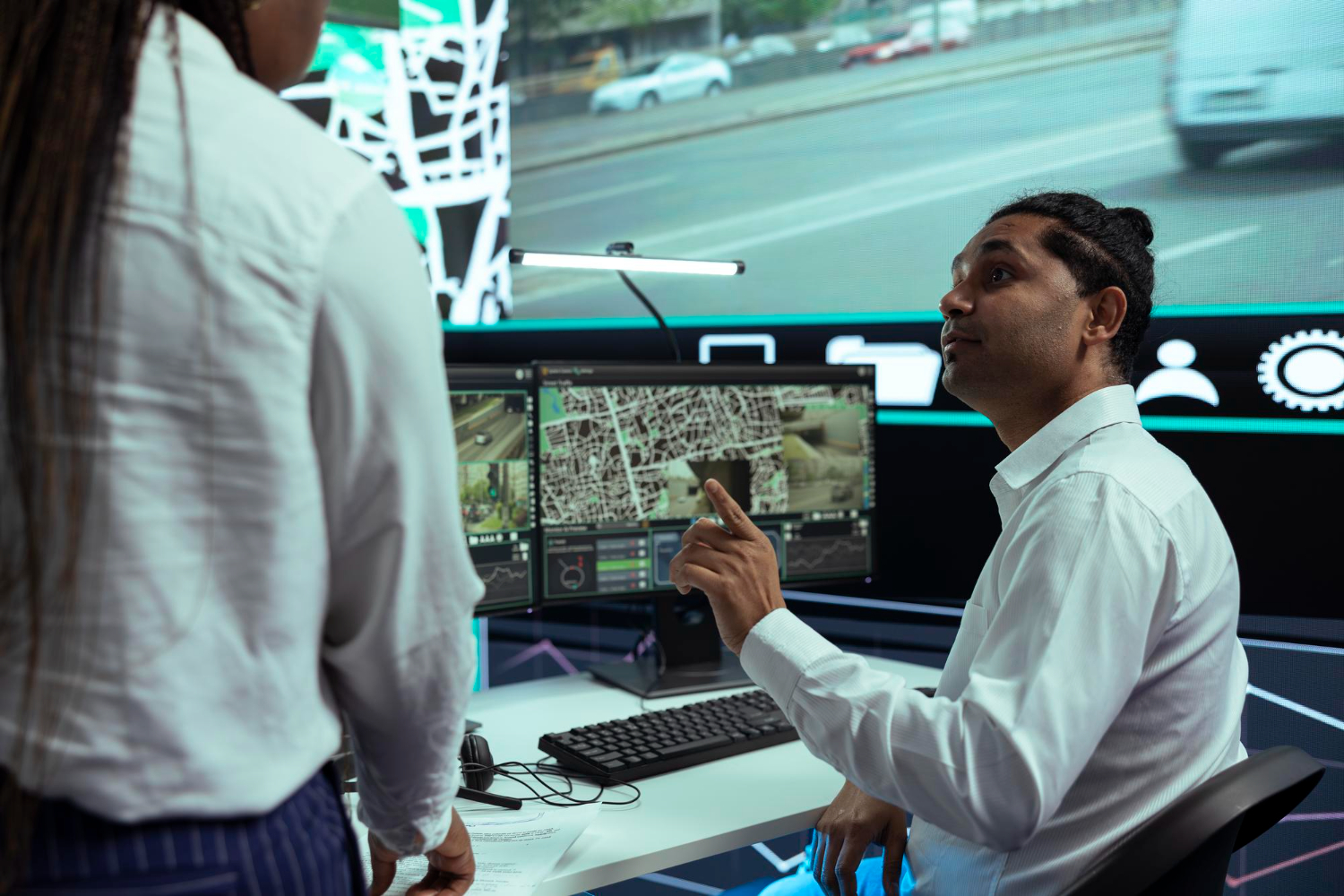
Video evidence plays a critical role in modern investigations across law enforcement, security operations, insurance claims, and legal proceedings. However, raw video footage captured from CCTV cameras, mobile devices, or body-worn cameras often contains distortions that make interpretation difficult. Issues such as motion blur, compression artifacts, poor lighting, and unstable recording conditions frequently limit clarity. To overcome these challenges, investigators rely on advanced surveillance video enhancement software that supports detailed forensic video analysis workflows.
By combining enhancement technologies with analytical tools, investigators can transform degraded footage into reliable visual evidence. Modern platforms provide capabilities that go far beyond simple editing, enabling professionals to extract meaningful information from complex digital recordings.
The Growing Importance of Video Evidence
Video recordings have become one of the most trusted sources of information in investigations. Whether analyzing traffic incidents, criminal activities, or security breaches, investigators depend on forensic video analysis to reconstruct events accurately.
However, surveillance systems are typically designed for storage efficiency rather than investigative clarity. Cameras often record at low resolution, apply heavy compression, or operate in poor lighting environments. As a result, important details may be hidden in the footage.
This is where specialized surveillance video enhancement software becomes essential. These systems apply advanced algorithms to clarify images, reduce noise, stabilize video, and enhance visible details without compromising the authenticity of the evidence.
Integrated Software Suites for Video Forensics
Modern investigative platforms are designed as integrated environments that combine multiple capabilities into a single system. For example, some forensic software suites integrate video processing, data analysis, and measurement tools to support complete forensic video analysis workflows.
These environments often include multiple modules that handle different aspects of the investigative process, including video processing, scene reconstruction, and photogrammetry. According to the official product documentation, such software suites can include video processing tools, real-time analysis modules, and measurement systems that allow investigators to analyze surveillance footage and reconstruct events more accurately.
By combining several specialized tools within one platform, investigators can enhance footage, analyze movements, and measure objects or distances directly within the same environment.
Key Capabilities of Modern Video Forensic Tools
Video Clarification and Enhancement
One of the primary goals of surveillance video enhancement software is to improve the clarity of recorded footage. Advanced algorithms can correct distortions caused by motion, compression, or environmental factors.
These tools may include techniques such as deblurring, denoising, and resolution reconstruction, allowing analysts to reveal details that might otherwise remain hidden.
Improved clarity supports more reliable forensic video analysis, enabling investigators to identify individuals, vehicles, or objects more accurately.
Multi-Camera Video Fusion
Large investigations often involve footage from multiple cameras. Modern systems can combine these recordings to create a unified perspective of an event.
Features such as multi-channel fusion allow analysts to merge footage from different viewpoints using perspective correction and synchronized playback.
This capability strengthens forensic video analysis by helping investigators track movements across different locations and camera angles.
Automated Privacy and Redaction Tools
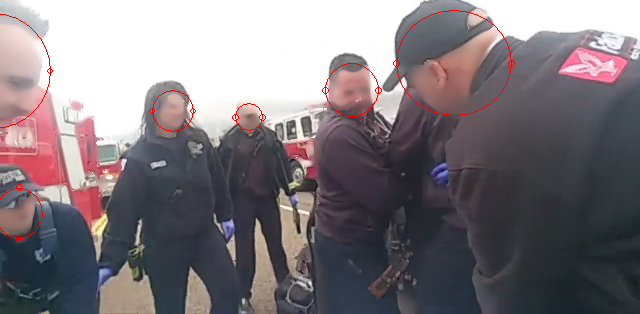
When releasing video evidence publicly or presenting it in court, investigators often need to obscure sensitive information. Some systems include automated tools that detect and blur faces in video footage, allowing evidence to be shared while protecting privacy.
These capabilities are often built directly into advanced surveillance video enhancement software, making it easier to process and prepare video evidence for legal use.
Crime Scene Measurement and Reconstruction
In addition to video enhancement, many forensic platforms include photogrammetry tools that allow investigators to measure objects directly within video frames or crime scene images.
These measurement capabilities support accurate reconstruction of incidents by allowing analysts to determine dimensions such as vehicle size, suspect height, or the distance between objects.
Such measurements significantly enhance the value of forensic video analysis by providing quantitative evidence rather than relying solely on visual interpretation.
Applications Across Investigative Fields
Advanced video analysis tools are used in many professional fields:
- Law enforcement investigations – identifying suspects and reconstructing crime scenes
- Traffic accident reconstruction – analyzing vehicle movement and collision dynamics
- Security monitoring – tracking suspicious activity across surveillance networks
- Insurance investigations – verifying claims and analyzing recorded incidents
In each of these cases, reliable surveillance video enhancement software helps investigators extract actionable insights from complex visual data.
Ensuring Accuracy and Evidence Integrity
When video evidence is used in legal proceedings, maintaining authenticity is essential. Many forensic platforms include tools for generating file hashes and analyzing metadata to ensure that evidence has not been altered or tampered with.
These authentication features strengthen forensic video analysis by ensuring that the enhanced footage remains legally defensible.
Additionally, documenting each processing step allows investigators to demonstrate exactly how the video was analyzed or enhanced.
The Future of Forensic Video Technology
As digital recording technologies continue to evolve, the demand for sophisticated analysis tools will grow. Artificial intelligence, 3D reconstruction, and cloud-based processing are expected to play increasingly important roles in video forensics.
Advanced platforms that combine surveillance video enhancement software with measurement tools, tracking capabilities, and analytical workflows are helping investigators move from simple video viewing to comprehensive forensic video analysis environments.
These innovations enable professionals to extract deeper insights from digital evidence and build stronger cases based on visual data.
FAQs
1. What is forensic video analysis?
Forensic video analysis is the scientific process of examining and interpreting video recordings to extract useful information for investigations. It often involves enhancing footage, identifying objects or individuals, and reconstructing events captured on camera.
2. What does surveillance video enhancement software do?
Surveillance video enhancement software improves the quality of recorded footage by reducing noise, correcting blur, stabilizing video, and clarifying details. These improvements help investigators analyze video evidence more effectively.
3. Why is video enhancement important in investigations?
Many surveillance recordings are captured in poor conditions such as low light or with heavy compression. Video enhancement helps reveal important visual details that may otherwise remain hidden in the footage.
4. Can enhanced video footage be used in court?
Yes, enhanced video can be used in court if the process is documented and performed using reliable forensic methods. Proper forensic video analysis ensures that the evidence remains authentic and legally defensible.
5. Who uses forensic video analysis tools?
Forensic video analysis tools are commonly used by law enforcement agencies, forensic laboratories, security professionals, insurance investigators, and legal experts who work with digital video evidence.
Leave a Reply